The Impact of a Toxic Upbringing on Adult Relationships: Why Your Past Shows Up in Your Present
By: Jeryn
3/24/2025

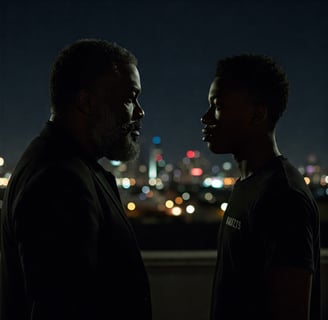
Alright brothers, let's get real. We all carry baggage from our past. It's part of life. But for those of us who grew up in toxic families, that baggage can feel like a whole damn steamer trunk, overflowing with unresolved hurt, anger, and confusion. And let me tell you, that trunk can wreak havoc on our adult relationships, especially our marriages.
See, here's the thing: our childhood experiences, especially the negative ones, shape how we see the world, how we interact with others, and how we show up in our relationships. It's like an invisible script that plays in the background, influencing our thoughts, feelings, and behaviors, often without us even realizing it.
If you grew up in a home where conflict was the norm, where love was conditional, or where your emotional needs were neglected, you might find yourself repeating those patterns in your adult relationships. You might struggle with trust, intimacy, or communication. You might find yourself attracted to partners who remind you of your parents, even if those relationships are unhealthy.
It's not your fault. It's not something you consciously choose. But it's something you have the power to change.
Recognizing the Patterns
The first step to breaking free from these patterns is to recognize them. Take some time to reflect on your childhood experiences and how they might be impacting your current relationships.
Attachment style: How did your parents respond to your emotional needs as a child? Were they consistently available and supportive, or were they distant, dismissive, or even abusive? This can significantly impact your attachment style as an adult, influencing how you connect with others and how you handle intimacy.
Communication patterns: How did conflict get resolved in your family? Was it through open and honest communication, or was it through yelling, manipulation, or avoidance? These early experiences can shape how you communicate with your partner, especially during disagreements.
Expectations in relationships: What did you learn about love, respect, and partnership from your parents? Did they model healthy relationship dynamics, or did they demonstrate unhealthy patterns of control, dependence, or disrespect? These early lessons can shape your expectations for your own relationships.
Breaking the Cycle
Once you start to recognize the patterns, you can begin to break the cycle. This takes time, effort, and a willingness to confront those deep-seated wounds. But it's worth it.
Here are a few things that helped me on my journey:
Therapy: A good therapist can provide a safe and supportive space to explore your past, process your emotions, and develop healthier coping mechanisms.
Self-reflection: Take time to journal, meditate, or simply reflect on your thoughts and feelings. This can help you gain a deeper understanding of yourself and your patterns.
Setting boundaries: Learn to set healthy boundaries with your family and your partner. This means communicating your needs clearly and assertively, and saying "NO" when necessary.
Choosing healthy partners: Be mindful of the partners you choose. Look for people who are emotionally mature, supportive, and respectful.
Brothers, it's not easy to confront the past. It can be painful, even overwhelming at times. But it's essential if you want to build healthy, fulfilling relationships.
I truly hope this post has given you some valuable insights. This journey of healing and growth is ongoing, so I invite you to join our community. Take some time to explore the Generational Shift website for additional support and information. And if you're ready to dive deeper, my book, "Beyond the Shadows: How Black Men Can Heal from Toxic Family Patterns and Build Thriving Marriages," is available now.
Remember, seeking professional support is a sign of strength. If you're considering therapy, I encourage you to explore Online-Therapy.com. They provide a convenient and accessible platform to connect with licensed therapists, and you can find more information through my affiliate link here: My link. Plus, get 20% off your first month when you sign up using the discount using the code: THERAPY20. Thank you.
Healing
Empowering black men to build fulfilling relationships.
Contact Us
Join Us
© 2025. All rights reserved.